
📚 A Place to Focus
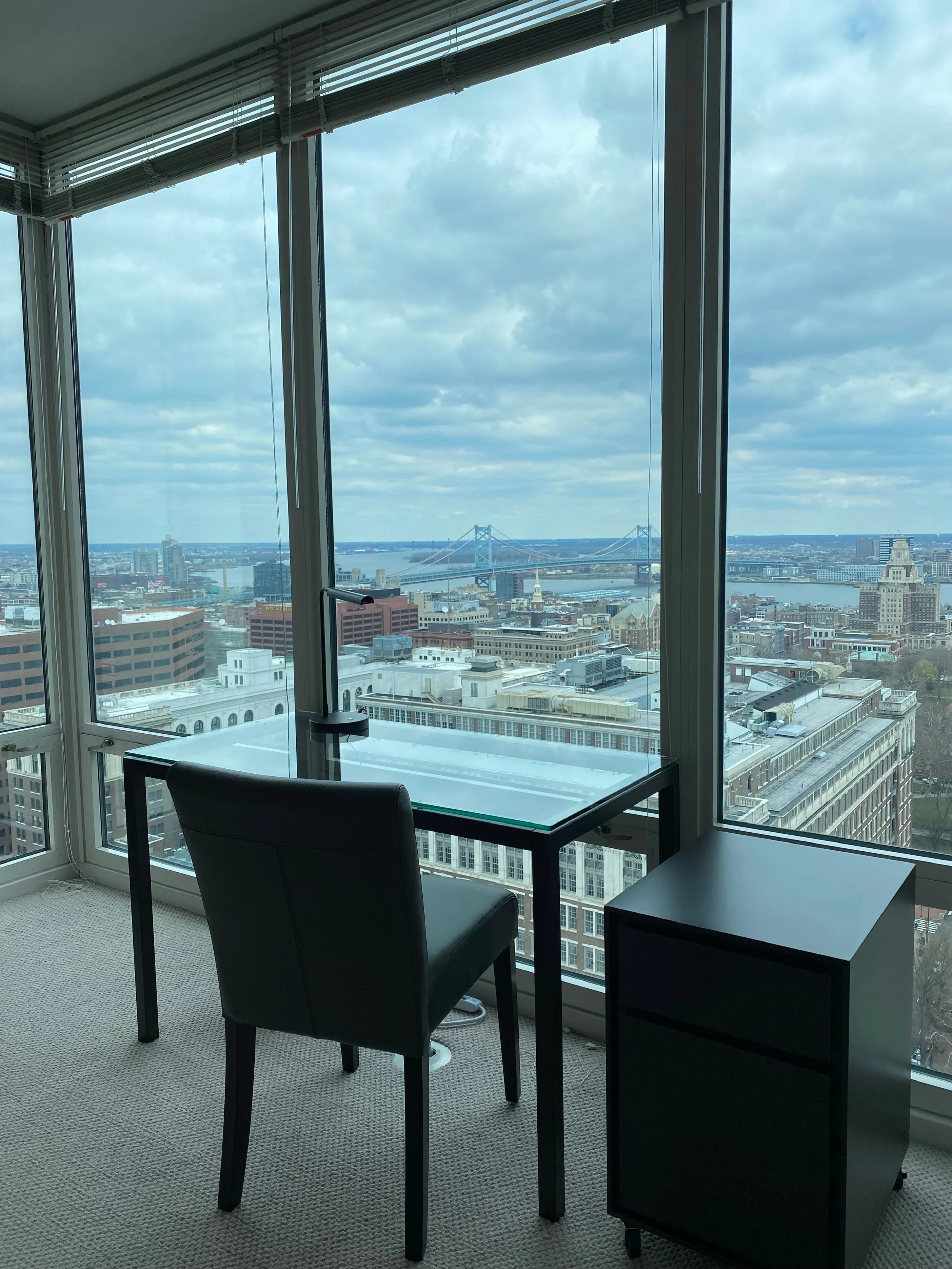
As September brings new schedules, routines, and a return to school, it’s a good time to consider whether your home has a place to focus.
Whether it’s for homework, studying, reading, creative projects, or working remotely, having an intentional workspace can make it easier to settle in and get things done. And it doesn’t have to be a dedicated office or an elaborate built-in. A quiet corner of a bedroom, a spot at the end of a dining table, or an underused nook can all become a space to concentrate.
Start with the basics: lighting, seating, workspace, storage, connectivity, and minimizing distractions. Natural light is ideal when possible, while a good task lamp can make evening studying or working more comfortable. Choose a chair and work surface that feel comfortable, and think about what needs to be within reach—and what might be better kept out of sight. Make sure you have access to power, printer, video calls etc. ahead of time to make your work time as efficient as possible.
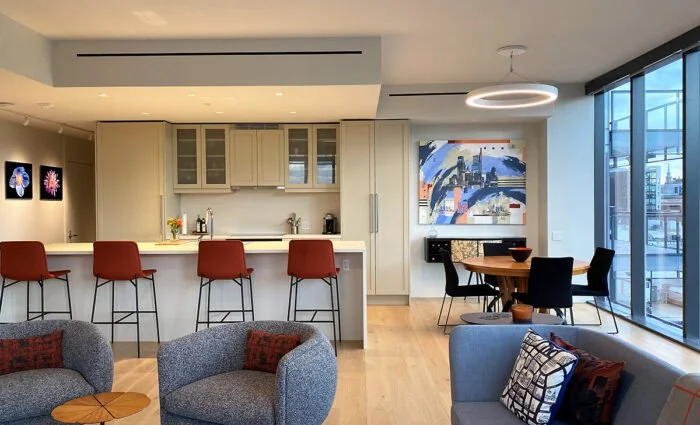
This open plan Condo has 4-5 zones built-in between seating area, counter, dining, ancillary seating and adjacent balcony space for entertaining and multitasking, working within the space.
A Designer’s Perspective
We asked Mimi Campbell Leitzel of MCL Studio to share her approach to creating spaces that work with, not against, the way you live.
Mimi discusses her approach, saying, "As an Interior Designer "Space Coach", I go into a space and analyze existing conditions first, assess the use, aesthetic, feel/vibe and determine a Program of Requirements - needs and goals.”
One of Mimi’s guiding principles is to look at your space with fresh eyes. Before making a major change, take a step back and ask: What isn’t working? How do I actually use this room? What does this space need to do for me?
Sometimes the answer isn’t a renovation or a whole new room. It might be a matter of rearranging what you already have.
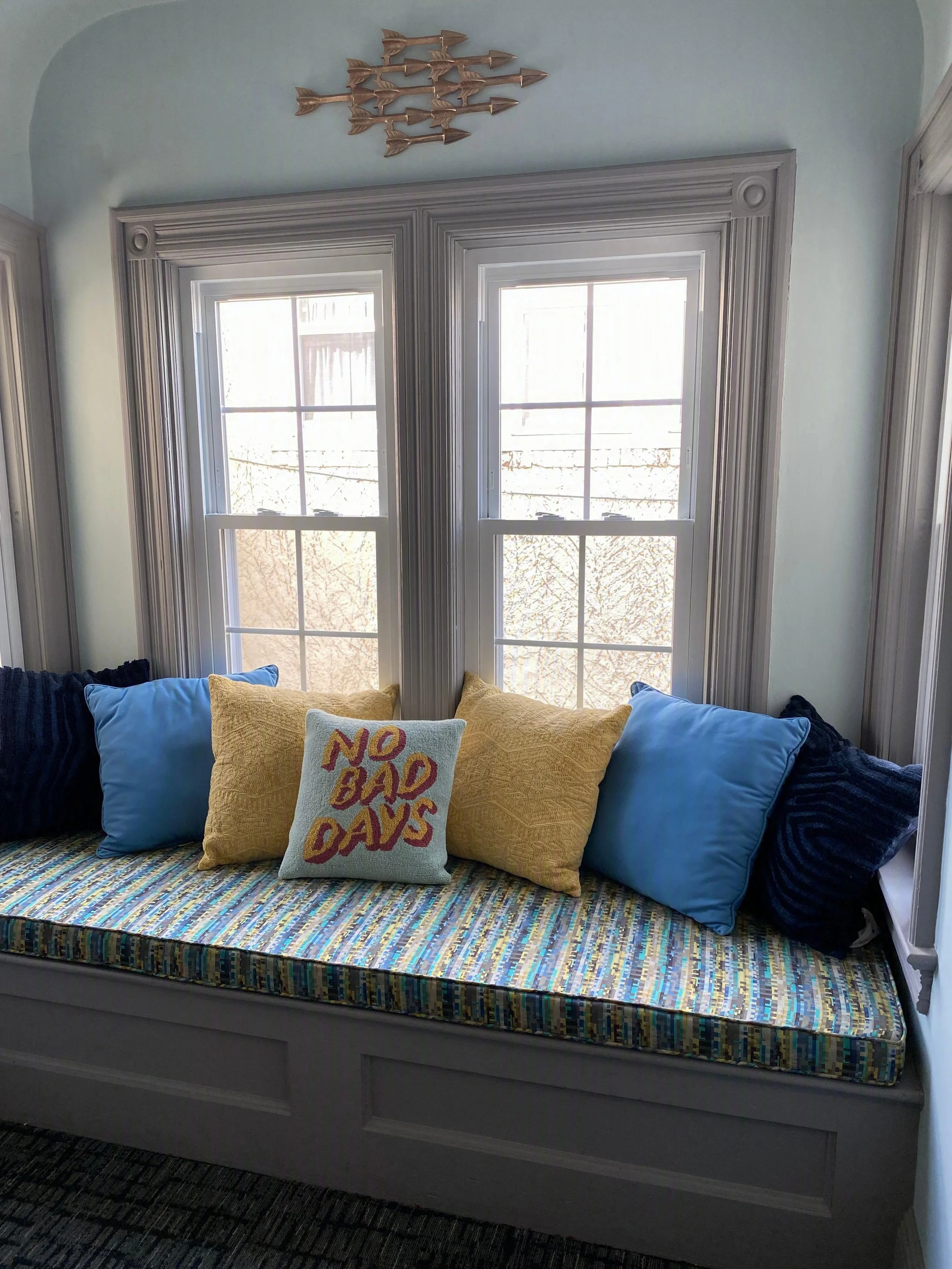
Start with what you have
Mimi says, “The next step is to edit the space, rearrange/repurpose, subtract and determine adds - which could be furniture, finishes, lighting, art, accessories or renovations etc.“
She encourages taking inventory before buying something new. Could a console table become a study surface? Could a chair from another room work better in a reading corner? Is there artwork, a lamp, or another personal object tucked away that could make the space feel more inviting?
Think “less is more.” A few small changes can have a surprisingly big impact.
And don’t overlook the view. When you spend hours in a space, what you see matters. Look out the window and consider what you’re looking at throughout the year. Could a simple change in furniture placement make better use of natural light or create a more pleasant outlook?
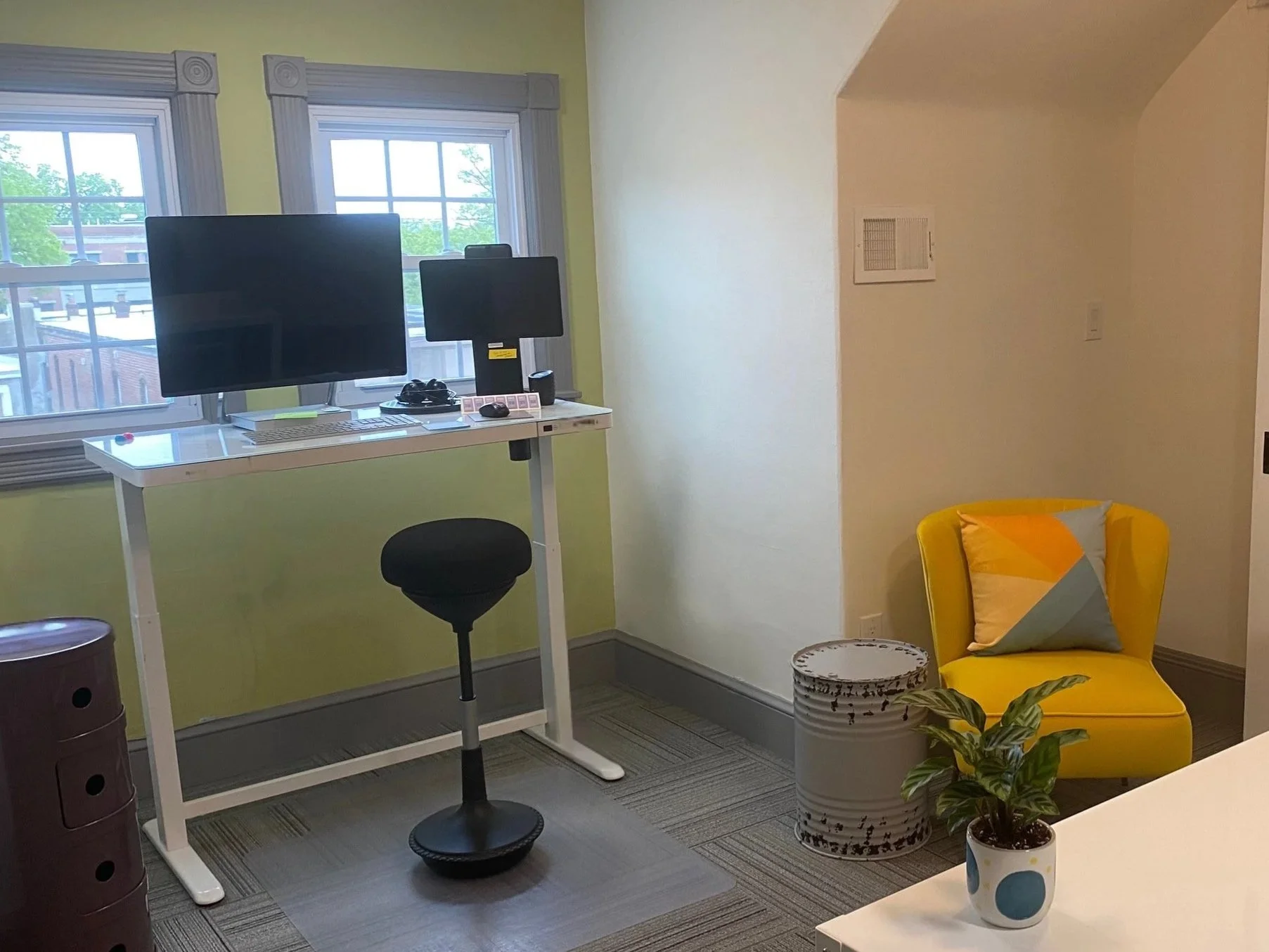
This dedicated work space/Studio has multiple zones to provide a variety of workspaces: table desk, adjustable standing height desk, with perch and walking pad, high table collaboration space, display area, storage and lounge seating area.
Design for how you actually use the space
When designing your space, Mimi shares, “The Design involves 3d Design, sourcing materials, furniture and sometimes a full scale renovation.”
A successful workspace isn’t just about how it looks. It’s about how it functions.
If you’re working or studying from home, create a space that signals when it’s time to focus. When possible, use a designated area for work rather than allowing work to spread throughout the house. If your workspace needs to serve another purpose, make it easy to put everything away when the workday or homework is finished.
And remember to move. If you’re spending a lot of time at a desk, vary sitting and standing when you can. Set a timer to remind yourself to take a break, stretch, walk around, or simply look outside for a few minutes. Even a phone call can be an opportunity to get up and move.
Lighting matters, too. Think beyond a single overhead fixture and consider how sunlight, task lighting, and ambient lighting work together. The goal is to create enough light for the task at hand while also making the room feel comfortable.
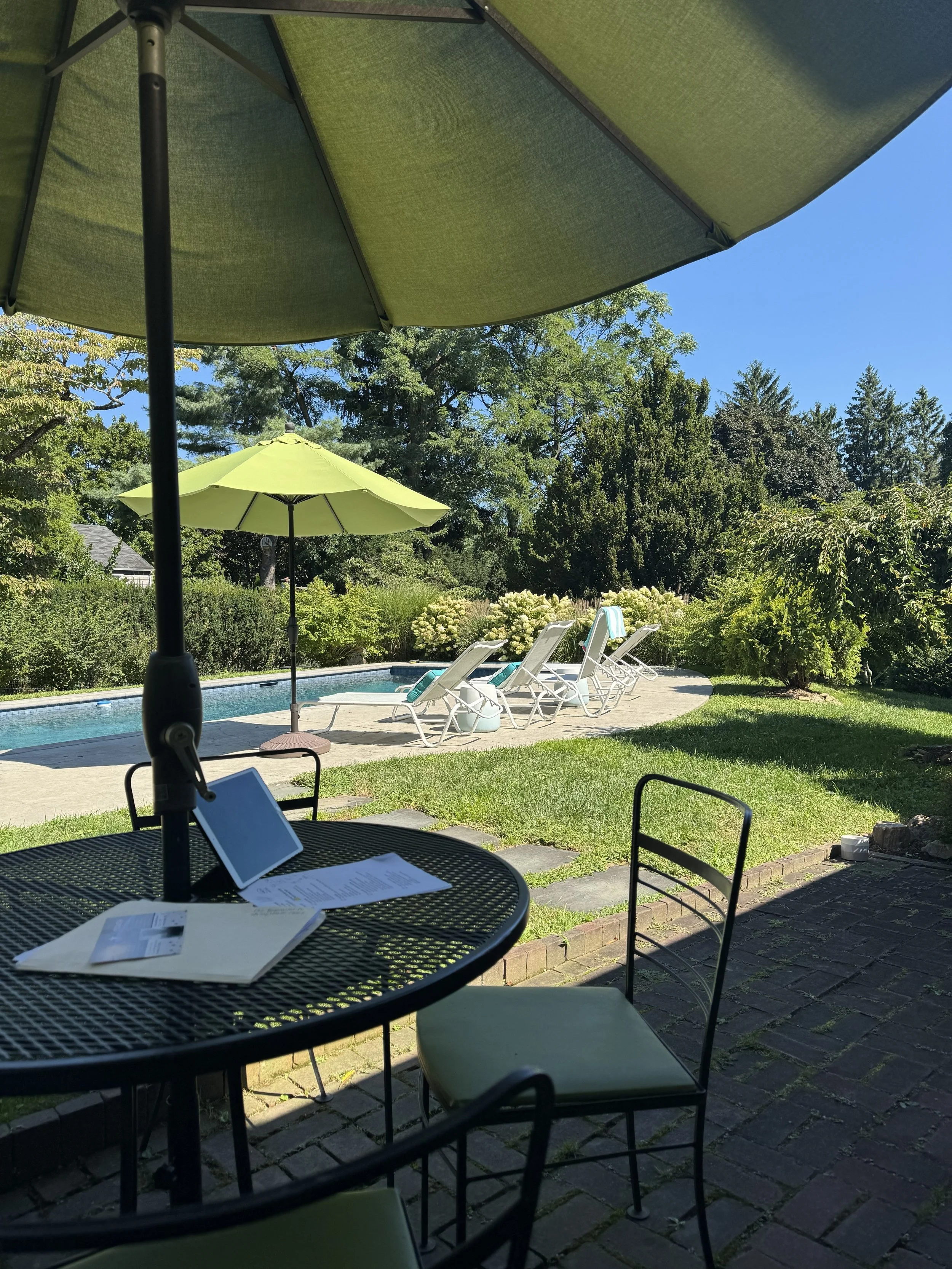
Bring the outdoors in
Mimi encourages, “Use outdoor space when possible depending on the required tasks and connectivity required. Creative thinking and heads down tasks can benefit from a more open naturally inspired place.”
Look at the relationship between indoor and outdoor spaces. A window, porch, patio, garden, or even a view of greenery can expand the feeling of a room and give you another place to pause.
Plants and landscaping can add more than visual interest. They can bring color, texture, and a sense of calm to a space. And sometimes simply stepping outside for a few minutes can provide the reset you need before returning to work. You can even move your workspace to an outdoor table or bench for a break from being indoors all day.
Think about all of your senses, too: what you see, hear, feel, and even smell in a space. The best environment for focusing may be different for everyone.
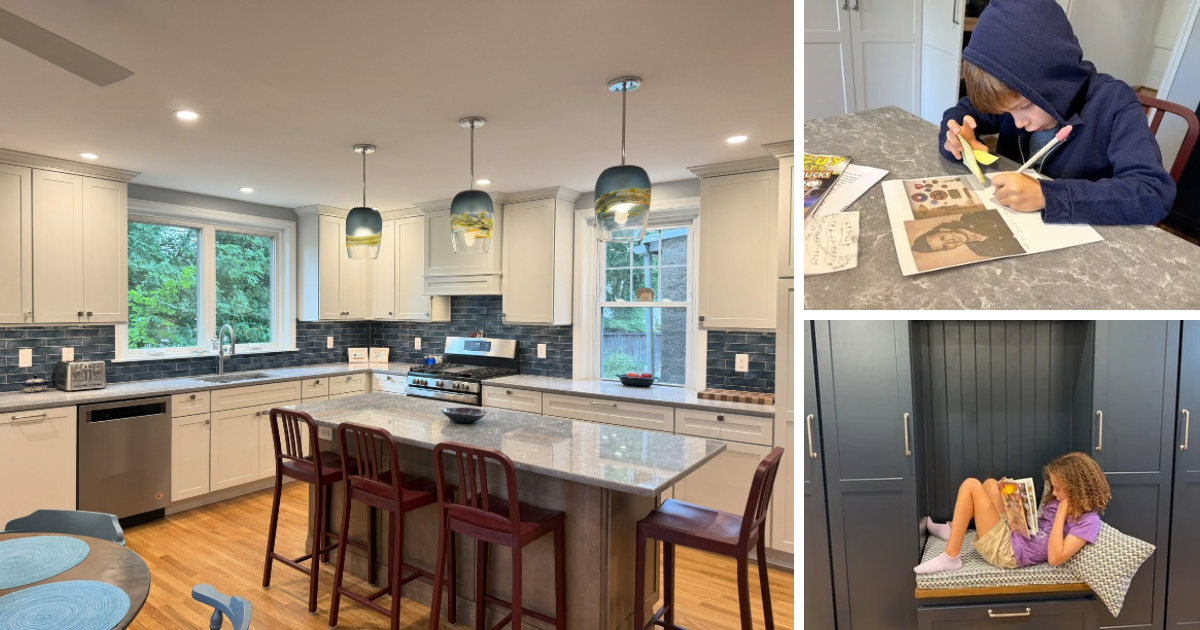
The way we are all connected, all of the time, now, the "Hub/Kitchen" becomes a workspace especially for busy Families multitasking. In addition to the Kitchen Workzone in this Wyndmoor house, there are 3 distinct zones: at the table, island counter and bench/locker area.
Make the space yours
Mimi says, “Most important is to create a space for you that defines your work space, to create a boundry, to allow for focused concentration as needed and collaboration and connectivity as well depending on your day to day needs. The ability to close up, put away or walk away from focused space is a benefit too to have a good work life balance.”
Of course, a functional workspace should also feel like it belongs in your home. For students especially, adding a few personal touches—favorite books, artwork, photographs, collections, or meaningful objects—can make a study space feel inviting rather than simply utilitarian.
The same is true for adults working from home. Your workspace doesn’t have to look like a corporate office. It should support the way you live and work.
Mimi’s Space Coach approach is ultimately about looking at the whole picture: how you use your space, what you already own, what isn’t working, and what small changes could make a big difference.
The best study or work space isn’t necessarily the biggest or most perfectly designed. It’s the one that supports the person using it.
As you settle into a new fall routine, take a fresh look around your home. You might discover that the perfect place to focus is already there. You just need to see it differently.
If you need help, Space Coach Mimi Campbell Leitzel can help you transform your space. See more of her work at mcl.studio & reach out to her at mclstudiobiz@gmail.com.